Why Learn Egyptian Arabic?

As part of our goal to learn Arabic in two months (well, as much as possible), I thought I’d answer a few questions about why learn Egyptian Arabic over other dialects, like Levantine, Gulf, and Maghrebi Arabic, and over Modern Standard Arabic. It’s a question we put a lot of research into.
Firstly, it’s really hard to pick just one dialect of Arabic. As you immerse yourself into the Arabic-speaking world, you’ll quickly encounter reasons to learn other ones — Friends you meet, TV shows you’ll want to watch, or music you listen to. So as you go along, you’ll definitely pick up bits of other dialects.
So take all this with a grain of salt. The short answer is that if you’re going to learn a dialect, then learn either Egyptian or Levantine unless you have some special connection to another dialect. You are unlikely to regret either decision, and it’s not really either/or as there is a lot of overlap.
In this guide…
- Why learn an Arabic Dialect and not MSA
- What Egyptian Arabic is, and how it’s different to the other dialects
- Why learn Egyptian Arabic vs other dialects around the Arabic-speaking world
Become a Discoverer
Want more great articles about Arabic and Middle Eastern culture, African culture and languages, and more in your inbox? Sign up to our email list to get notified of new posts.


Updates
* 22 October 2026: Updated dialect geography, prestige, MSA use and cross-dialect understanding.
Contents
Why learn an Arabic dialect like Egyptian Arabic?
Why are you learning a language? Everyone has different reasons, and your reasons will tell you what you need to learn.
If you like to feel like a local, speak to everyday people and generally feel at one with an Arabic-speaking country, you need to learn a dialect like Egyptian Arabic.
Arabic dialects are used in situations like
- Banter with your taxi or Uber driver
- Telling your AirBnB host that the air conditioning is broken
- Asking what is good to eat at the local kebab shop or even deciphering a menu (often in local language)
- Getting your hair cut (surprisingly difficult in Egypt, it turned out)
Basically, this is everyday life.
There’s one excellent reason you should speak a dialect: it’s usually the most natural way to connect with people in everyday conversation.
When people meet you and you tell them you speak their language, they’ll say “hello” or “how are you”.
There’s already a notable difference between the way you greet people in colloquial Arabic and in MSA. If you use local colloquialisms, you get a smile (as we often do, even post-Egypt), and praise from the person you’re speaking to.
If you’re a quiet person who prefers to read and have academic conversations about deep topics, and perhaps never intend to live in an Arabic-speaking country but instead analyse the literature from far away, then you’ll really benefit from not learning a dialect, and learning Modern Standard Arabic (MSA).
Newspapers, books and journals mostly use MSA. Dialects also appear in writing and are common in television, film, music and social media.
You can have a deep conversation in a dialect, but at the high-end academic level, knowing Standard Arabic will let you understand and discuss later.
What’s “Egyptian Arabic”? How is it different to “Modern Standard Arabic”?
Unfortunately, learning Arabic isn’t as simple as learning one language. Oh, you thought that by learning “Arabic” you’d be able to speak to anyone in the Arab world? Not quite.
Standard Arabic is known as “Modern Standard Arabic” or MSA in English. Its technical name in Arabic is الفصحى, or al-fusHa. MSA is the shared formal standard of Arabic, based on Classical Arabic (used in the Qur’an). MSA is used in newscasts, international politics and formal presentations, while dialects are the norm for everyday conversation. Speakers can also mix MSA and dialect.
In other words, if you ever switch on Al Jazeera and see them speaking in Arabic, chances are it’s Modern Standard Arabic (MSA). If you ever see a foreign leader presenting at the UN, it’s likely MSA. Printed newspapers are written in MSA, though local magazines may be written in a more dialectic form.
Some scholars say we should learn standard Arabic first as a foundation, but just as many others say you don’t have to. It depends on your goals. Roughly speaking, you should learn MSA if your goals are long-term and focused on mastering Arabic. If your goals are short-term, you can start with a dialect.
Studying spoken Arabic instead of standard Arabic has multiple advantages. It’s way easier structurally, more natural to use in everyday situations and doesn’t oblige you to learn a whole bunch of difficult technical rules.
Why learn Egyptian Arabic and not one of the other dialects?
To round this out: why learn to speak Egyptian Arabic? Seems there’s a lot of choice out there.
Dialect prestige depends on the setting. MSA carries formal prestige, while local varieties such as Cairene Arabic can carry prestige in their own speech communities. So a decision isn’t simple.
If you want to learn Arabic and don’t care what dialect you’re going to learn, we definitely suggest learning Egyptian Arabic.
A close second contender would be Levantine Arabic. People speak Levantine Arabic in Lebanon, Jordan, Syrian, and in Israel and the Palestinian territories.
But if you’re already somewhere else (like, you’re in Iraq), then learn what’s around you, of course.
Reason 1 to learn Egyptian Arabic: Egyptian popular media.
Egypt has been the biggest TV and film-producing powerhouse of the Middle East for decades. Even though the so-called “golden age” of Egyptian media is over, they still churn out dramas and comedies in film and TV form and are one of the biggest producers of Arab music.
Egypt plays a similar role to Korea in Asia, with their hugely influential Korean drama and K-pop, or Argentina and Mexico in Latin America, with their widely recognized telenovelas. The impact of Egyptian media is that Egyptian Arabic is widely understood across the Arab world, and some listeners can imitate it too. Understanding varies with exposure and isn’t automatically reciprocal.
Again, Levantine Arabic is a close second in this. There are lots of cool TV shows and there’s lots of music to come out of the Levant region, particularly Lebanon and Beirut.
Reason 2 to learn Egyptian Arabic: Egypt is cheap and fun to live in.
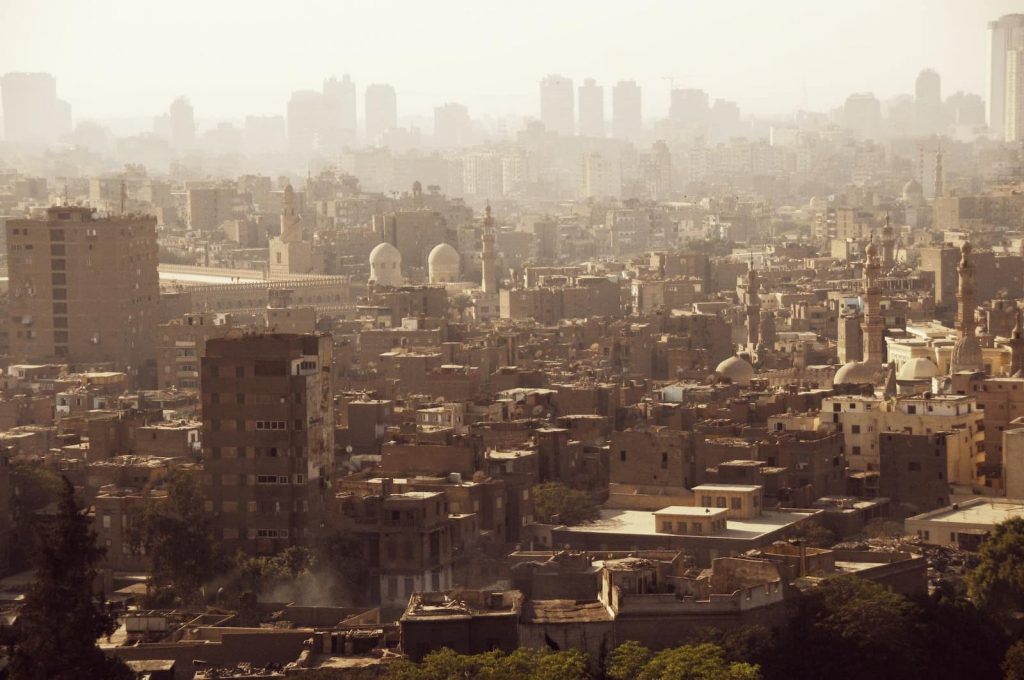
The Egyptian Pound has plummeted since 2011, and it means that getting an hostel room or AirBnB in the middle of Cairo will only cost you $10-20 a night. That’s almost unbeatable in most of the Arab world. Your average meal will cost you US$2-3. Basically, without even trying, you can keep total living expenses to well under US$1,000 a month.
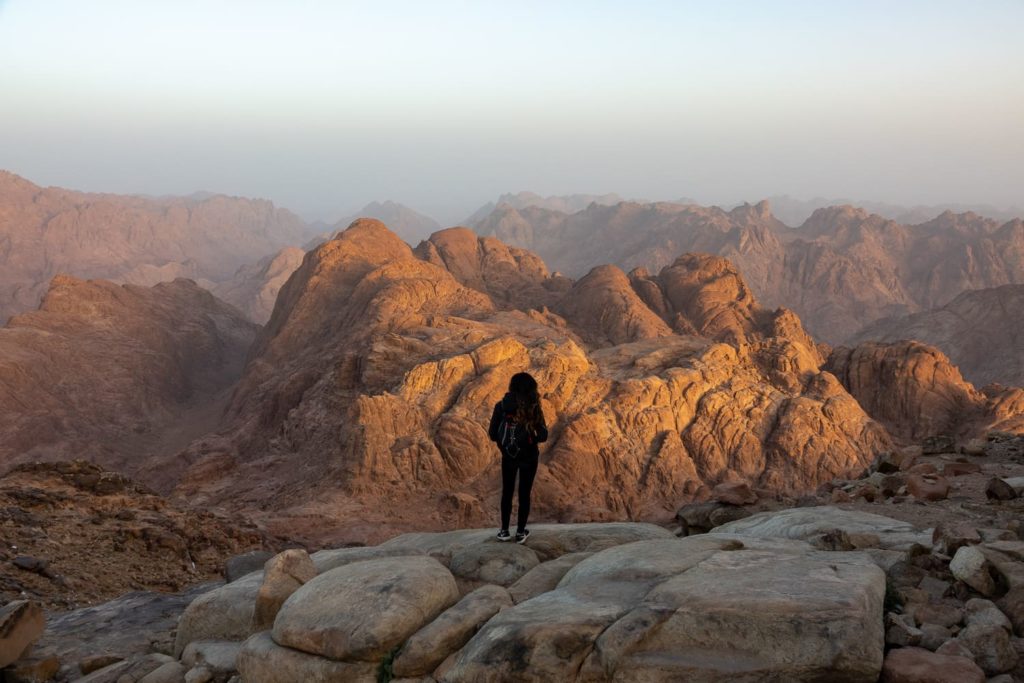
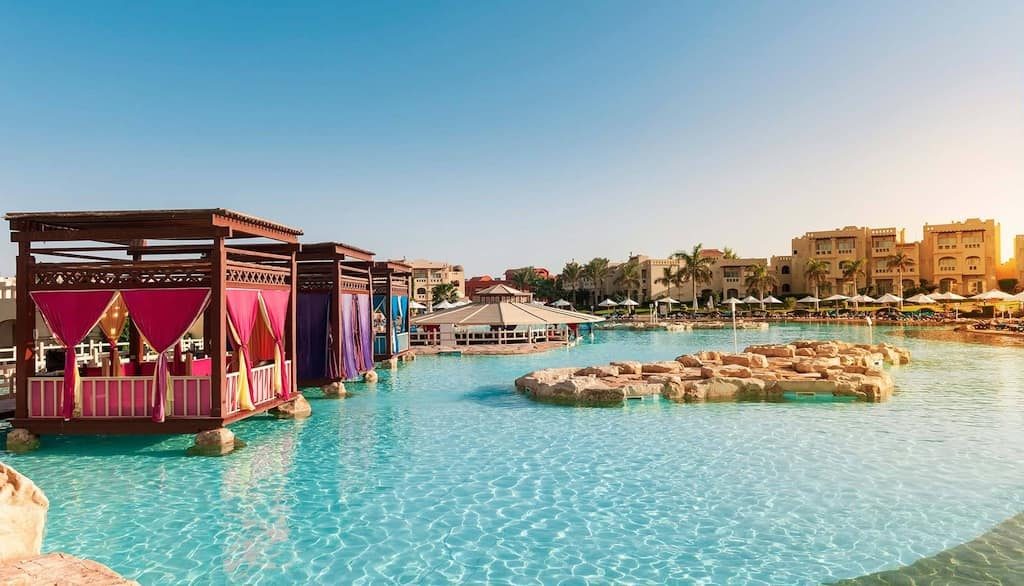
There are lots of fun things to do in Egypt, from visiting the ancient relics, to diving in the Red Sea, to hiking through the Sinai desert, to enjoying the beauty of the Siwa Oasis. Egyptian Arabic gives you access to all of that.
While the countries that speak Levantine Arabic are pretty cool, apart from Jordan, they’re in a bit of turmoil right now. Lebanon’s economy is in crisis, and Syria has tragically become very dangerous. That means that Levantine Arabic gets you access to Jordan, to the Palestinian territories, and to Lebanon if you want to brave it.
Reason 3 to learn Egyptian Arabic: Mutual intelligibility with a cool part of the world.
Egyptian Arabic can help you communicate with Arabic speakers in Jordan, Iraq, Syria, Lebanon and Israel/Palestine. How well you understand each other depends on their dialect and your exposure; either speaker may need to adapt unfamiliar words or pronunciation.
So learning Egyptian Arabic lets you travel to a part of the world with very rich culture and an ancient history, spanning multiple civilizations, major religions and many, many wars (some, unfortunately, still ongoing).
If you learned Egyptian Arabic you might struggle a little to understand and be understood in North Africa (Tunisia, Algeria and Morocco), but you’ll have a good foundation.
Reason 4 to learn Egyptian Arabic: Egypt is awesome!
In case you’ve forgotten, Egypt is awesome by itself, and offers a little of so many things. There are the Pyramids of Giza, for starters. The beauty of the Sinai Peninsula, where we ended up for a few weeks hanging out with Bedouin. The chaos of the big city, something everyone should experience just to understand more of the world.
And knowing Egyptian Arabic gives you instant access to 50 million+ speakers all over the country. Even before you add in the 300 million+ other Arabic speakers, this is a decent number of people.
Check out our gallery of our most memorable photos from Egypt.
Do you need to learn to read and write Arabic, if you’re learning a dialect like Egyptian?
Definitely learn to read and write Arabic even if you only are learning a dialect. I mean, at least learn to read Arabic, and then be able to figure out if your Google Translate is correct.
For the casual traveller, you occasionally might have to write if you have to send a message to your landlord (because surprise, your actual contact person is the cousin of the person who owns the property). In cases like this, you are fine to translate online, but then you just want to make sure the translation makes sense.
A common misconception is that dialects don’t exist in written form. This is definitely untrue for Egyptian Arabic. It’s seen in menus, in emails and texts, on social media and in more places. You can find written Egyptian Arabic everywhere. It’s just not standardised like MSA is.
Even if you’re learning the Egyptian dialect, you need to learn to read for a whole bunch of reasons:
- Most local shops only have shop names in Arabic, and only have menus in Arabic.
- Prices for goods in markets and supermarkets are usually only in Arabic numbers. (Yay, only ten Arabic letters! But there are only 28 Arabic letters so it’s not a whole bunch more)
- Most minor street signs are only in Arabic
- You want to comment on your friends Facebook posts
What other dialects of Arabic are there?
There’s lots of ways of slicing it up. This is just an overview – we’ve put together a whole other guide to the dialects of Arabic here.
The groups that I think make most sense (and which are commonly used) are:
- Egyptian Arabic: Spoken in Egypt, alongside distinct Sudanese Arabic varieties in Sudan. Egyptian Arabic is widely understood through music and television, with comprehension depending on exposure.
- Levantine Arabic: Spoken in Syria, Jordan, Palestine, and Lebanon. Often understood by Egyptian speakers, depending on exposure and any adaptations the speakers make. Also widely understood because a lot of music comes out of this region (particularly Beirut).
- Peninsular Gulf Arabic: Spoken in Bahrain, Kuwait, the UAE, Qatar, and eastern Saudi Arabia (i.e. the parts far from Mecca).
- Peninsular Arabic apart from Gulf: Spoken in most of Saudi Arabia, Yemen and Oman.
- Maghrebi Arabic: Spoken in North Africa: Algeria, Morocco, Tunisia, Libya, Mauritania and Western Sahara. Depending on the country, they receive a lot of influence from different European languages (e.g. Morocco got a lot from Spanish, and Algeria a lot from French). I
Check out our guide on the dialects of Arabic.