
Living in Egypt: What It’s Really Like (2026 Update)

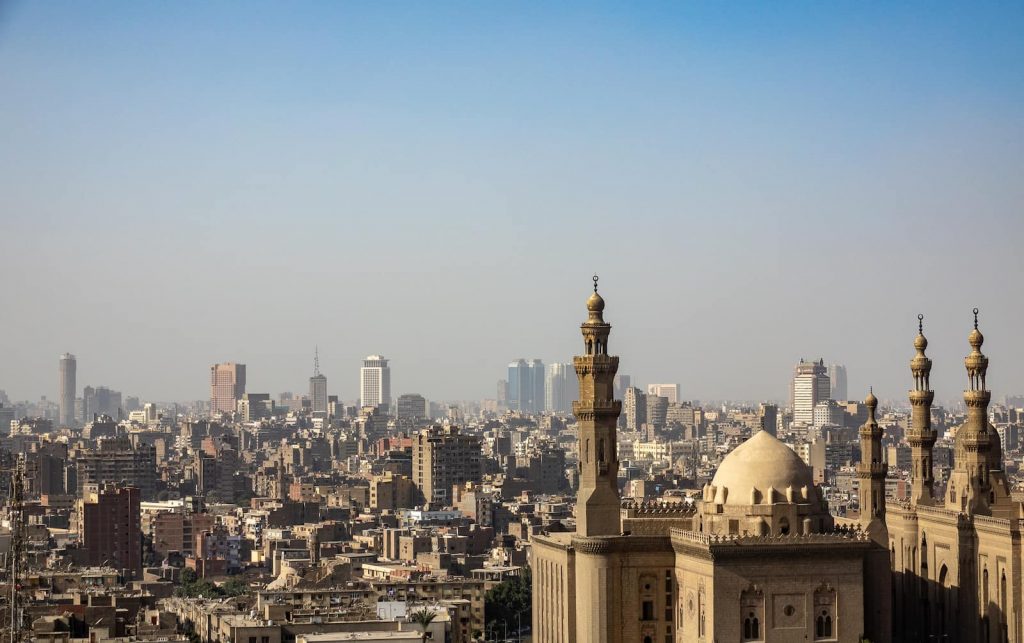
Updated August 2026. We lived in Egypt for a couple of months, mostly in Cairo, and spent additional time in Sinai and Upper Egypt. Egypt is one of the places that gave us exactly what we came for: a strong local culture, a language we could use every day, intense city life, extraordinary history, and enough friction that ordinary errands never became completely automatic.
I have rewritten this guide because the old version mixed our durable impressions with 2019 visa rules, SIM prices, taxi fares, exchange rates and some broad claims about Egyptian society that I would not write now. The firsthand parts still hold up. The price list did not.
Contents
Living in Egypt: the short version
Egypt suits you if you want to be immersed in a place rather than insulated from it. Cairo in particular gets into your day whether you want it to or not. You hear horns and the call to prayer, negotiate traffic, learn which shop sells what, work around power and internet interruptions, and slowly build a network of people who make the city easier.
It can also be tiring. Cairo is noisy, traffic can consume enormous amounts of time, air quality is often poor, bureaucracy is not intuitive, and tourist areas can involve relentless selling. I liked Egypt much more once we stopped treating it as a collection of sights and started building a normal routine.
Cairo is the obvious base — but not the only one
For us, Cairo was the best place to live because we were learning Egyptian Arabic. It gave us teachers, language partners, gyms, food, cultural events and a huge range of neighbourhoods. It also gave us the full intensity of Egyptian city life.
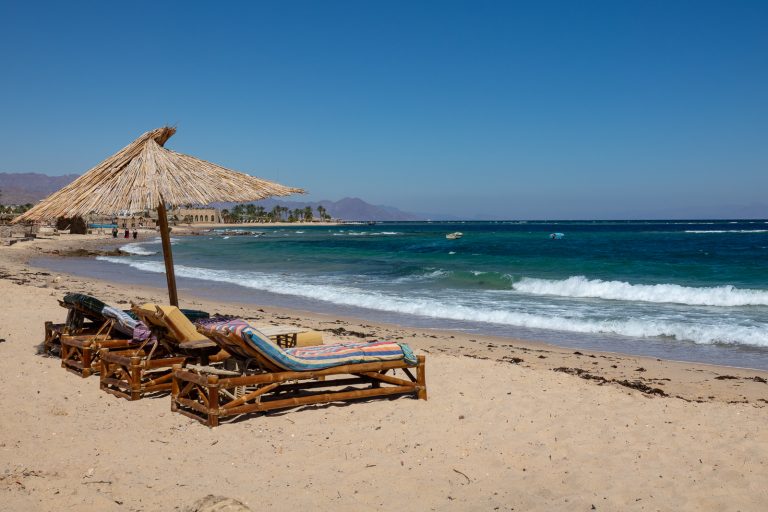
If I wanted a slower month, I would choose Dahab. It is far easier to organise a daily routine around the sea, cafes and outdoor activities there, but it is also much more visitor-oriented. Nuweiba is slower again. Aswan has a pace and visual character I loved, but it is a much smaller place to base yourself for work or study.

The biggest Cairo decision is where you live
A map makes Cairo look easier to cross than it is. Traffic means I would choose a neighbourhood around the things I planned to do several times a week rather than around a famous sight I might visit once.
We liked Dokki because it felt local while still being easy enough for foreigners to settle into. Zamalek is greener and easier if you want cafes and English-language services, but it also feels more removed from ordinary Cairo. Maadi works well for people who want more space and a calmer residential base. New Cairo makes sense if your work or school is already there; I would not choose it and then plan to commute into central Cairo every day.
I have a separate Cairo neighbourhood guide with the trade-offs in more detail.
Egyptian Arabic changes the experience
If you’re living in Egypt rather than passing through for a few days, learn some Egyptian Arabic. You can survive in central Cairo without much Arabic, but you miss a lot. The language changes everything from ordering lunch to making friends to understanding why the person in front of you is laughing.
Egyptian Arabic is what you hear in ordinary conversation. Modern Standard Arabic is useful for reading, formal media and broader study, but it is not what I would prioritise for a first month of daily life in Cairo.
We built much of this site while learning Arabic in Egypt. Start with our Egyptian Arabic phrases if you want language you can use immediately.
What Egyptians were like with us
Our best relationships in Egypt developed quickly. Friends invited us into their routines, teachers talked to us about family and religion, and people were generally comfortable asking questions that would feel personal in Australia or northern Europe.
At the same time, tourist-facing interactions can be exhausting. Around major sights we became suspicious of anyone starting a conversation because so many conversations turned into a sales pitch. That defensive habit can follow you into normal neighbourhoods, where somebody may genuinely just be talking to you.
Living in Cairo was much better once we had regular people in our lives: a language teacher, training partners, neighbours, shopkeepers we recognised. Egypt becomes easier when you stop being anonymous.
Women experience Cairo differently
Street harassment is a real part of life for many women in Egypt, and Jo’s experience was different from mine. Clothing, neighbourhood, time of day and whether we were together changed how much attention she received. I would not describe Cairo as a place where a woman should simply copy the habits of a male traveller and expect the same experience.
We wrote separately about safety and harassment in Egypt. The useful approach is practical rather than alarmist: understand the environment, dress with local context in mind, use transport deliberately at night, and trust your instincts about interactions.
Internet and mobile data
I would get a local SIM as soon as possible. Home internet can be perfectly usable, but mobile data gives you redundancy when a connection drops and is useful for maps, translation and transport everywhere else.
Vodafone, Orange, WE and e& are the main names I would compare. I have removed our old package prices because they no longer help anyone. Take your passport to an official store, buy the package that matches the length of your stay, and keep enough data available that you are not dependent on cafe Wi-Fi.
Getting around
Cairo’s Metro is fast when your origin and destination sit near the network. App-based cars are easier when they do not. Microbuses cover far more of the city than a visitor initially realises, but they take local knowledge and enough Arabic to understand where they are going.
The practical mistake is assuming a short distance means a short trip. I would rather pay slightly more for an apartment near my daily routine than save on rent and cross Cairo twice a day.
See our full Cairo transport guide for the different options.
Money and cost of living
I have removed all of our old dollar conversions and 2019 prices. Egypt’s currency and prices have changed too much for those numbers to be useful now.
What still matters is the structure of the budget. Local food, transport and services can be inexpensive relative to Australia, Europe or North America. Furnished short-term accommodation, imported groceries, international schools and anything priced for foreigners can be much more expensive. The gap between local and visitor spending is enormous.
Cash is still useful. I also use cards where they are accepted, but I would not leave home without Egyptian pounds for smaller shops, tips and miscellaneous payments.
Visas and longer stays
Entry rules depend on your passport, and the extension process changes often enough that I would never plan a stay around an old visa fee. We have a dedicated, recently updated guide to extending an Egypt tourist visa.
If you’re staying longer, deal with the paperwork rather than assuming an old overstay anecdote still applies. That was advice the first version of this article handled far too casually.
Weather and air
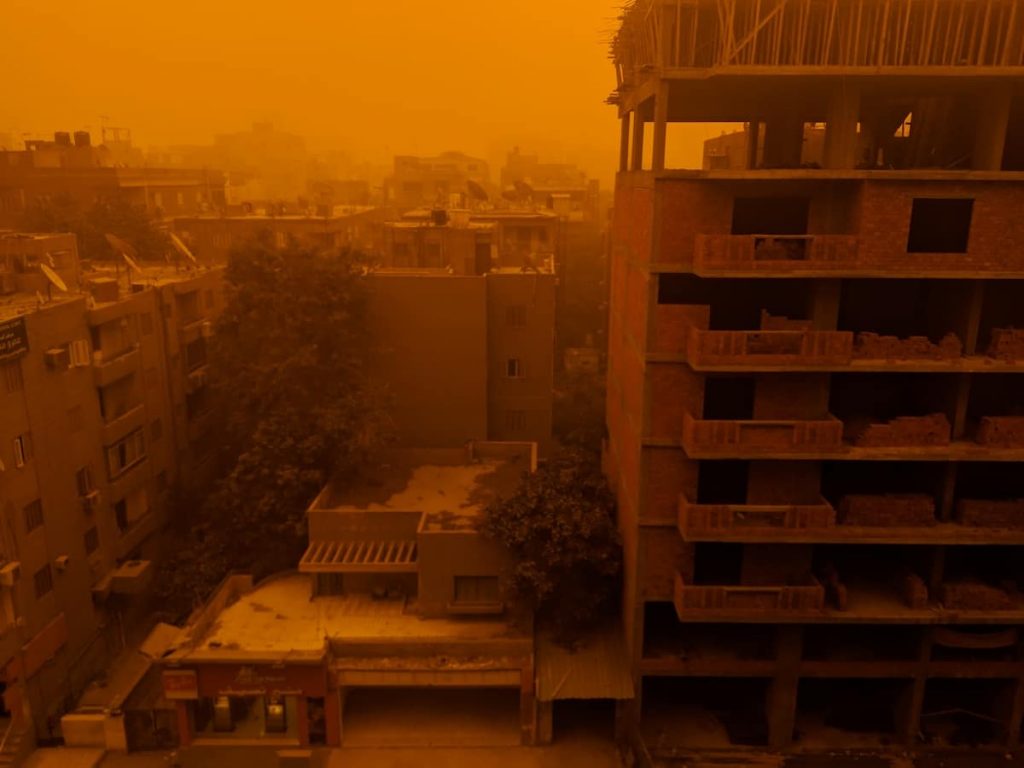
Cairo’s winter weather suited us well: mild days, cooler nights and little rain. Summer is a different proposition. Heat, dust and poor air quality can make a long day outside much harder than the temperature alone suggests.
Spring can also bring hot, dusty khamsin conditions. They are memorable when they arrive, but I would not organise an entire move around avoiding one particular week of weather.
Would we live in Egypt again?
Yes, especially if I had a reason to be there beyond sightseeing. Cairo is an excellent place to learn Arabic, build a routine and understand Egypt beyond the pyramids. I would choose the neighbourhood carefully, keep my commute short, arrange reliable internet, and accept that some ordinary tasks will take more effort than they do at home.
If I wanted an easier, slower stay, I would go back to Sinai. If I wanted to study Arabic and feel connected to a huge city again, I would choose Cairo.





Neat!